

Introduction
Garbage compactor trucks play a crucial role in waste management systems by collecting and compacting solid waste to ensure efficient disposal. However, these vehicles are notorious for their high fuel consumption and emissions, contributing to environmental pollution and high operational costs. In recent years, there has been a growing emphasis on developing energy-efficient engines for garbage compactor trucks to address these challenges. This article explores the significance of energy-efficient engines in garbage compactor trucks, their benefits, and the technologies driving their development.
1. Understanding Garbage Compactor Trucks
Garbage compactor trucks, also known as refuse trucks or waste collection vehicles, are specialized trucks designed to collect, transport, and compact solid waste from residential, commercial, and industrial areas. These vehicles come in various sizes and configurations, including rear loader, front loader, and side loader trucks, each serving different waste collection needs.
The typical operation of a garbage compactor truck involves several key steps. First, the truck collects waste from designated bins or containers along its route. Once the truck reaches its capacity or the end of its route, the collected waste is compacted using a hydraulic compactor mechanism inside the truck's body. This compaction process reduces the volume of the waste, allowing the truck to transport more waste efficiently and reduce the frequency of trips to disposal sites.
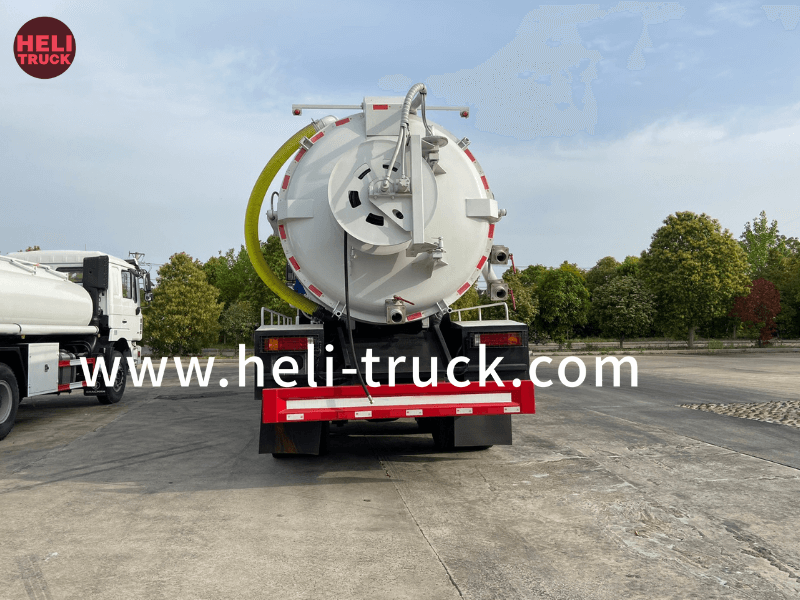
2. Challenges of Traditional Garbage Compactor Trucks
While garbage compactor trucks are essential for waste management, they present several challenges related to their fuel consumption and environmental impact. Traditional compactor trucks are powered by diesel engines, which are known for their high fuel consumption and emissions of pollutants such as nitrogen oxides (NOx) and particulate matter (PM). These emissions contribute to air pollution and pose health risks to both the environment and the public.
Moreover, the operational costs of running traditional garbage compactor trucks can be substantial due to fuel expenses and maintenance requirements. The inefficiency of these trucks not only impacts the environment but also adds financial burdens to waste management organizations and municipalities.
3. The Shift Towards Energy-Efficient Engines
Recognizing the need for more sustainable waste management practices, the industry has been increasingly focused on developing energy-efficient engines for garbage compactor trucks. Energy-efficient engines are designed to optimize fuel consumption, reduce emissions, and lower operating costs without compromising performance. These engines incorporate advanced technologies and engineering solutions to enhance efficiency and sustainability in waste collection operations.
One of the key drivers behind the shift towards energy-efficient engines is the growing emphasis on environmental protection and sustainability. Governments, regulatory bodies, and industry stakeholders are setting stricter emissions standards and promoting cleaner technologies to reduce the environmental footprint of waste management activities. Energy-efficient engines offer a viable solution to align with these sustainability goals while improving the overall efficiency of garbage compactor trucks.
4. Benefits of Energy-Efficient Engines in Garbage Compactor Trucks
The adoption of energy-efficient engines in garbage compactor trucks offers a wide range of benefits for waste management organizations, municipalities, and the environment. https://www.heli-truck.com/729/ of the key benefits include:
4.1. Reduced Fuel Consumption: Energy-efficient engines are designed to optimize fuel combustion and minimize energy wastage, resulting in lower fuel consumption compared to traditional engines. By reducing fuel usage, waste management organizations can achieve significant cost savings and lower their carbon footprint.
4.2. Lower Emissions: Energy-efficient engines are equipped with advanced emission control technologies, such as selective catalytic reduction (SCR) and diesel particulate filters (DPF), to reduce harmful pollutants released into the atmosphere. By lowering emissions of NOx, PM, and other pollutants, energy-efficient engines help improve air quality and public health in urban areas.
4.3. Enhanced Performance: Energy-efficient engines are engineered to deliver optimal power output and torque while maintaining high efficiency levels. This translates to improved performance of garbage compactor trucks, allowing them to handle waste collection and compaction tasks more effectively and reliably.
4.4. Extended Lifespan: Energy-efficient engines are designed for durability and longevity, reducing wear and tear on engine components and enhancing overall reliability. The extended lifespan of these engines contributes to lower maintenance costs and downtime, resulting in improved operational efficiency for waste management fleets.
4.5. Regulatory Compliance: Energy-efficient engines are designed to meet stringent emissions regulations and standards set by authorities, ensuring compliance with environmental laws and requirements. By using engines that adhere to these regulations, waste management organizations can avoid fines and penalties while demonstrating their commitment to sustainability.
5. Technologies Driving Energy-Efficient Engines
The development of energy-efficient engines for garbage compactor trucks relies on a combination of innovative technologies and engineering solutions aimed at maximizing fuel efficiency and reducing emissions. Some of the key technologies driving the advancement of energy-efficient engines include:
5.1. Hybrid Powertrains: Hybrid powertrains combine internal combustion engines with electric motors to optimize energy usage and reduce fuel consumption. In garbage compactor trucks, hybrid powertrains can enable regenerative braking, electrically assisted propulsion, and idle stop-start functions to improve overall efficiency.
5.2. Lightweight Materials: The use of lightweight materials, such as aluminum alloys and composite structures, helps reduce the overall weight of the engine and vehicle, leading to improved fuel efficiency and performance. By minimizing weight, energy-efficient engines can achieve better power-to-weight ratios and lower energy losses during operation.
5.3. Variable Valve Timing: Variable valve timing technology allows for precise control of the engine's intake and exhaust valves, optimizing combustion efficiency and power output. By adjusting valve timing based on engine load and speed, energy-efficient engines can operate more efficiently across a wide range of operating conditions.
5.4. Exhaust Gas Recirculation (EGR): EGR systems recirculate a portion of exhaust gases back into the engine's intake manifold, reducing combustion temperatures and lowering emissions of NOx. By integrating EGR technology into energy-efficient engines, manufacturers can achieve cleaner combustion and improved environmental performance.
5.5. Advanced Engine Management Systems: Advanced engine management systems utilize sensors, actuators, and electronic control units to monitor and adjust engine operation in real-time. These systems optimize fuel injection, ignition timing, and other parameters to maximize efficiency and performance while minimizing emissions.
6. Case Studies and Success Stories
Several waste management companies and municipalities have successfully integrated energy-efficient engines into their garbage compactor truck fleets, realizing tangible benefits in terms of cost savings, emissions reduction, and operational efficiency. One notable case study is the city of Stockholm, Sweden, which implemented a fleet of hybrid garbage compactor trucks powered by energy-efficient engines.
By transitioning to hybrid powertrains and lightweight materials, the city of Stockholm reduced its fuel consumption by 20% and lowered emissions by 25% compared to conventional diesel-powered trucks. The hybrid compactor trucks also demonstrated improved reliability and performance, leading to enhanced waste collection services and reduced maintenance costs for the city's waste management department.
7. Future Trends and Outlook
Looking ahead, the evolution of energy-efficient engines for garbage compactor trucks is expected to continue, driven by advancements in battery technology, alternative fuels, and digital connectivity. Electric and hydrogen fuel cell-powered compactor trucks are emerging as promising alternatives to traditional diesel engines, offering zero-emission solutions for urban waste collection.
Furthermore, the integration of telematics systems and predictive maintenance technologies will enable waste management organizations to optimize fleet operations, monitor engine performance, and reduce downtime. By leveraging data analytics and real-time monitoring, companies can proactively address maintenance issues, improve fuel efficiency, and extend the lifespan of energy-efficient engines in their compactor trucks.
In conclusion, energy-efficient engines play a critical role in enhancing the sustainability and efficiency of garbage compactor trucks in waste management operations. By investing in clean, advanced technologies, waste management organizations can achieve significant cost savings, emissions reductions, and operational improvements while contributing to a cleaner and healthier environment. The shift towards energy-efficient engines represents a positive step towards more sustainable waste management practices and a greener future for urban communities worldwide.